Introduction
In a globe where every 2nd counts, knowing exactly how to reply to a cardiac emergency can indicate the distinction in between life and fatality. Automated Outside Defibrillators (AEDs) are essential devices that can restore a normal heartbeat in people experiencing abrupt heart attack. Nonetheless, many individuals stay unaware of their procedure or the very best methods surrounding them. Whether you remain in an office, at home, or joining sporting activities, understanding how to make use of an AED effectively is vital for saving lives.
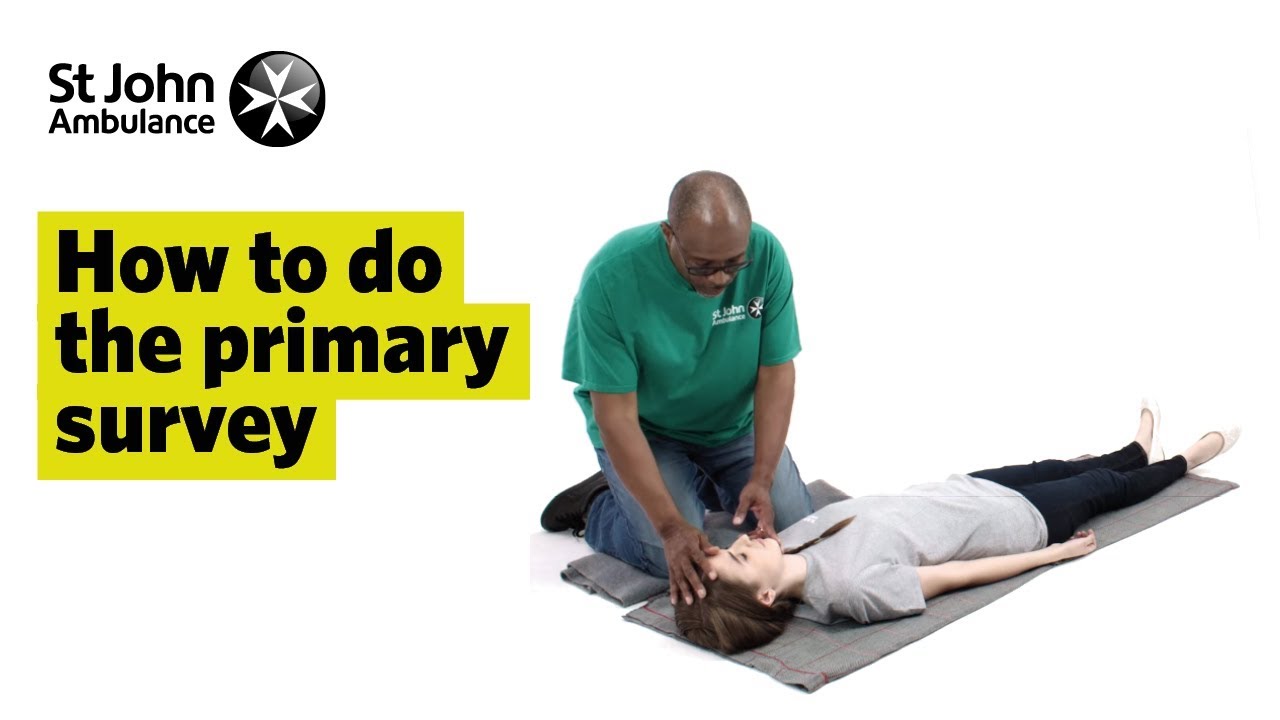
This extensive overview will walk you with everything you require to know about using an AED, from its capability and importance to detailed instructions and real-life applications. We'll also explore mouth-to-mouth resuscitation methods and exactly how they operate in tandem with AED usage. Let's start this vital journey of discovering exactly how to save lives.
Understanding the Value of AEDs
What is an AED?
CPR Training HobartAn Automated External Defibrillator (AED) is a mobile clinical tool made to analyze the heart's rhythm and supply an electrical shock if needed. This shock can help recover a typical heart rhythm in situations of ventricular fibrillation or pulseless ventricular tachycardia.
Why are AEDs Essential?
The use AEDs is essential due to the fact that:
- Sudden Heart attack Statistics: Every year, approximately 356,000 out-of-hospital cardiac arrests take place in the U.S., with much less than 10% surviving. Time Sensitivity: The chances of survival decrease by 10% for every minute that passes without defibrillation. Accessibility: AEDs are increasingly discovered in public spaces, making it simpler for bystanders to interfere during emergencies.
Legal Considerations
Most states have Do-gooder regulations that secure ordinary responders from obligation when utilizing an AED in excellent belief throughout emergency situations. Knowing this can encourage people to act promptly without anxiety of legal repercussions.
How Does an AED Work?
Mechanism of Action
An AED functions by:
Analyzing Heart Rhythm: When electrodes are connected to a victim's breast, the gadget analyzes whether the heart is defeating normally. Delivering Shock: If a shockable rhythm is found, the tool prompts the user to administer a shock.Types of AEDs Available
- Fully Automatic: These gadgets automatically provide shocks without user intervention. Semi-Automatic: Customers should press a button after obtaining instructions from the device.
How to Use an AED: Your Step-by-Step Guide to Conserving Lives
Step 1: Call Emergency Services
Before doing anything else, ensure somebody has called emergency services or do so on your own if you're alone. Time is vital in heart emergencies.
Step 2: Assess the Situation
Ensure that it's secure for you to come close to the victim. Recognize your environments and potential hazards.
Step 3: Open up the AED Case
Locate the closest AED and open its case. The majority of tools will certainly provide voice motivates assisting you through each step.
Step 4: Attach Electrodes
Place the pads on bare skin as shown on the gadget:

- One pad goes on the upper ideal side of the chest. The various other pad takes place the reduced left side below the armpit.
Step 5: Make certain No One Is Touching the Victim
As advised by the maker, make certain no person contacts the sufferer while it assesses their heart rhythm.
Step 6: Deliver Shock If Advised
If prompted by the AED, press the shock switch. Bear in mind that some versions are completely automatic and will provide shocks without requiring customer input.
Step 7: Continue CPR After Shock Delivery
Immediately resume CPR following any shock offered or if no shock is recommended up until emergency situation employees show up or indicators of life appear.
CPR Techniques Matching AED Usage
The Importance of mouth-to-mouth resuscitation in Cardiac Emergencies
CPR (Cardiopulmonary Resuscitation) increases blood flow to essential body organs up until defibrillation can be performed with an AED. It's crucial as it considerably increases survival prices when integrated with early defibrillation utilizing an AED.
How to Carry out CPR
- Start with upper body compressions at a price of 100-120 per minute. Compress at the very least 2 inches deep for adults but adjust for babies and youngsters-- this addresses wrong compression depth concerns.
Infant CPR Technique
For babies under one year:
Use 2 fingers for compressions at about 1.5 inches deep. Provide rescue breaths after every 30 compressions at a proportion of 2 breaths for each 30 compressions.Special Scenarios Calling for Advanced Resuscitation Skills
Sports-related Cardiac Arrests
Athletes may experience abrupt cardiac occasions because of underlying wellness issues such as hypertrophic cardiomyopathy or arrhythmias. Immediate accessibility to both mouth-to-mouth resuscitation and an AED can substantially influence end results throughout athletic events.
Drowning Sufferers and CPR Techniques
When performing CPR on sinking sufferers:
- Prioritize giving rescue breaths prior to upper body compressions since they typically deal with hypoxia instead of heart issues initially.
Household CPR Readiness & Work Environment Emergency Situation Plans
Preparing Your Home
Having an emergency situation plan within your household makes sure everybody recognizes what actions to take during cardiac emergency situations:
Display clear directions near your phone concerning whom to call. Keep your family members informed about how and where your designated emergency treatment kit and any readily available AEDs are stored.Workplace Emergency situation Plans
Implementing extensive workplace emergency situation prepares makes certain all workers comprehend their roles during situations involving unexpected heart attacks:
Conduct routine training sessions that cover both mouth-to-mouth resuscitation and use readily available AEDs. Ensure easy availability of first aid packages together with plainly significant areas for nearby AEDs.FAQs About Making use of an AED
Q1: Can anyone use an AED?
Yes! Anybody can utilize an AED as they come equipped with voice triggers guiding customers through each step needed for successful operation.
Q2: What ought to I do if I'm unsure how deep my compressions ought to be?
Go for at the very least 2 inches deep; however, utilizing visual markers like tape placed on surfaces can aid gauge depth far better throughout method sessions.
Q3: Exist on the internet courses offered for finding out CPR?
Yes! Numerous companies use on-line qualifications that detail both mouth-to-mouth resuscitation techniques and just how to utilize an AED properly within different contexts including regional courses specifically customized towards area needs such as schools or offices needing certification compliance requirements set forth in Australia's most recent standards relating to resuscitation approaches across age consisting of babies' distinct needs when executing lifesaving actions like baby CPR method discussed previously!
Q4: The length of time does my CPR accreditation last?
Mouth-to-mouth resuscitation certificates generally remain valid for 2 years before requiring revival depending on organizational certification which typically mandates retraining based upon updated finest practices showed within brand-new study searchings for released regularly within nations' statistical analyses concerning survivability rates tied straight back in the direction of adoption rates including these lifesaving skills!
Q5: Do I need specialized training past standard emergency treatment knowledge?
While standard understanding is adequate at first particularly when resolving family preparedness worries outlined previously; advanced resuscitation abilities come to be vital particularly under special situations where prompt action affects results dramatically much more so compared against typical scenarios experienced regularly throughout day-to-day life!
Q6: Just how does age impact compression method throughout resuscitation efforts?
Age-specific guidelines determine differing methods making sure safety maintained whilst optimizing performance customized according exactly in the direction of physical differences observed amongst people ranging from infants up with elderly populaces showcasing variety noticeable throughout demographics assessed through recent research studies conducted within healthcare provider qualification programs established nationwide!
Conclusion
Knowing exactly how to use an Automated External Defibrillator (AED) appropriately outfits you with effective tools for saving lives during heart emergencies. This overview has actually supplied thorough insights right into numerous aspects bordering not just operating these life-saving tools yet also incorporating efficient mouth-to-mouth resuscitation strategies along with them-- inevitably boosting survival results across varied circumstances encountered daily via proactive planning ensuring household readiness raised dramatically based upon readiness efforts carried out collaboratively amongst communities striving in the direction of enhanced safety and security methods established through office standards executed faithfully throughout regions internationally!

By understanding how these elements intertwine perfectly with each other developing alternative techniques committed towards boosting area awareness bordering liable engagement techniques promoting very early intervention strategies maximizing potential impact ultimately generating favorable outcomes seen direct whenever emergency situations occur all of a sudden requiring swift action taken instantly resulting afterwards favorably influencing First Aid Pro Hobart end results achieved jointly driven onward with each other united purposefully promoting settings conducive towards much healthier cultures overall!
First Aid Pro North Hobart (RTO 31124) is one of Australia’s leading providers of accredited First Aid and CPR training. We specialise in Basic Life Support, CPR & First Aid, NDIS HISS, Advanced First Aid and many other accredited courses. Our training is both convenient and comprehensive, combining online and face-to-face learning options to suit your needs. Keep your first aid certificates up to date with same-day certification upon completion. Plus, find a lower price, and we’ll instantly beat it by 10%! Conveniently located at the Braille Library, at the back of Rydges Hobart at 393 Argyle Street, North Hobart, TAS 7000. Visit our website for course dates, directions and parking details
First Aid Pro North Hobart (RTO 31124) is one of Australia’s leading providers of nationally accredited First Aid and CPR training. We deliver a wide range of courses, including Basic Life Support, HLTAID009 CPR, HLTAID011 Provide First Aid, HLTAID012 Childcare First Aid, NDIS HISS, Advanced First Aid and more. Our training is flexible and convenient, with online, blended and face-to-face options available to suit your schedule. Enjoy same-day certification so you can keep your qualifications current without delay. With our Price Beat Guarantee, if you find a lower price, we’ll beat it by 10%. We are conveniently located at the Braille Library, behind Rydges Hobart, 393 Argyle Street, North Hobart TAS 7000. 👉 Visit our website to view upcoming course dates, directions and parking information.